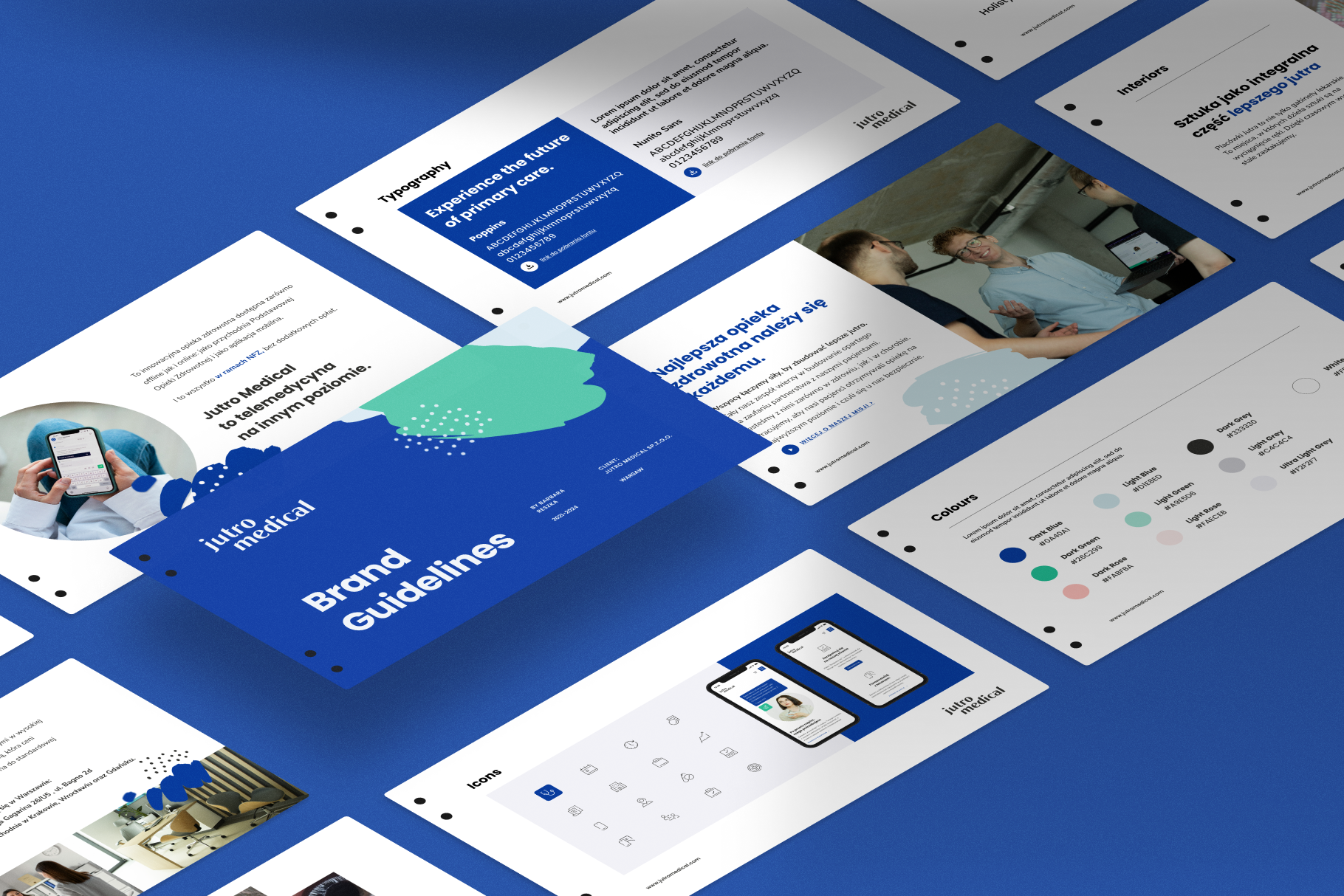
Over the course of 2.5 years my journey has been marked by a commitment to never-ending research fueled by invaluable feedback from patients. Delving deep into the nuances of healthcare, I dedicated extensive time to crafting user-centric wireframes and prototypes. Collaborating closely with business marketers, I navigated the intersection of design and strategy, ensuring the seamless integration of patient needs into every facet of the brand.
A pivotal element of this journey involved the creation of social media ad campaigns designs, leveraging A/B tests. These tests on prototypes and real-time feedback mechanisms not only honed the effectiveness of our branding but also underscored the significance of a data-driven approach .
Market research, gathering feedback from patients and wireframing
Question ✚
How can medical businesses successfully navigate the intricate landscape of healthcare branding, ensuring not only adaptation to cutting-edge technologies and patient expectations but also the development of a brand identity that resonates with the evolving medical environment? In the pursuit of maintaining relevance and gaining a competitive edge, what strategic interventions can be implemented to overcome immediate branding challenges while fostering sustained growth? Moreover, how can these organizations effectively support patient needs and drive conversion by seamlessly integrating healthcare services into the digital age, creating a cohesive and patient-centric brand experience?
Solution 🧪
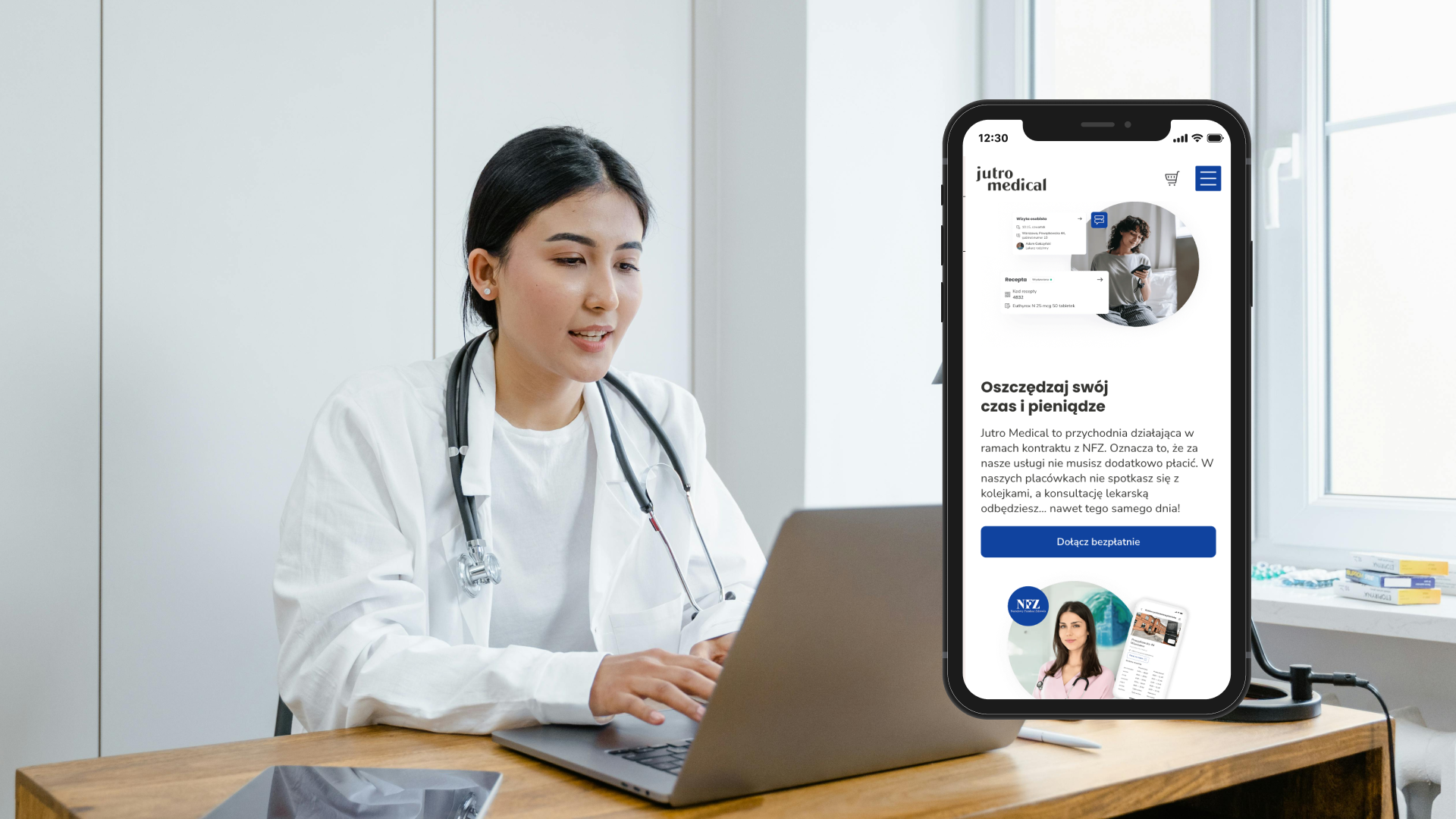
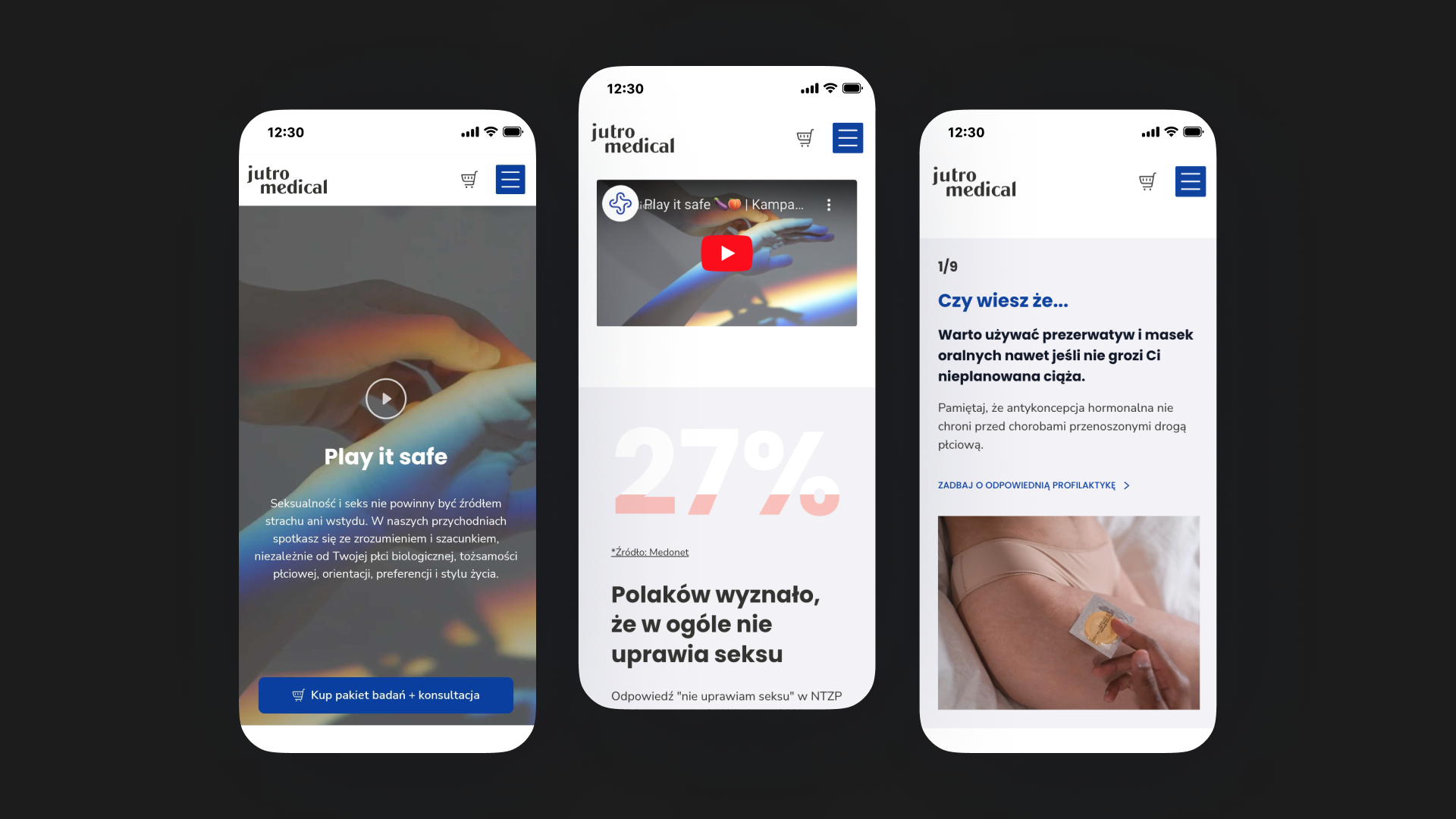
Through strategic implementation of user personas, sitemaps, and wireframes, the design ensures a seamless and intuitive user experience. Curated visuals and empathetic imagery create an emotionally resonant atmosphere, compelling visitors to explore and engage. The user interface is structured, guiding users effortlessly through the adoption process and offering valuable information about the shelter's mission. The responsive design enhances accessibility, allowing individuals to connect with the cause across various devices.
Context 🔍
Within the dynamic and ever-evolving realm of medical business, the challenge lies in developing a brand that not only adapts to the latest healthcare technologies but also aligns seamlessly with the evolving expectations of patients. As the landscape of healthcare continually shifts, the key to staying relevant and gaining a competitive edge lies in cultivating a profound understanding of the contemporary medical environment. Navigating this specialized terrain necessitates innovative solutions tailored to the unique needs of patients and the intricacies of the medical field.
Problem 🔬
Organizations within this sector are driven to seek strategic interventions that not only address immediate branding concerns but also lay the foundation for sustained growth. The goal is to establish a brand identity that not only serves patients effectively but also supports conversion through a comprehensive and patient-centric approach, ensuring the seamless integration of healthcare services into the digital age.
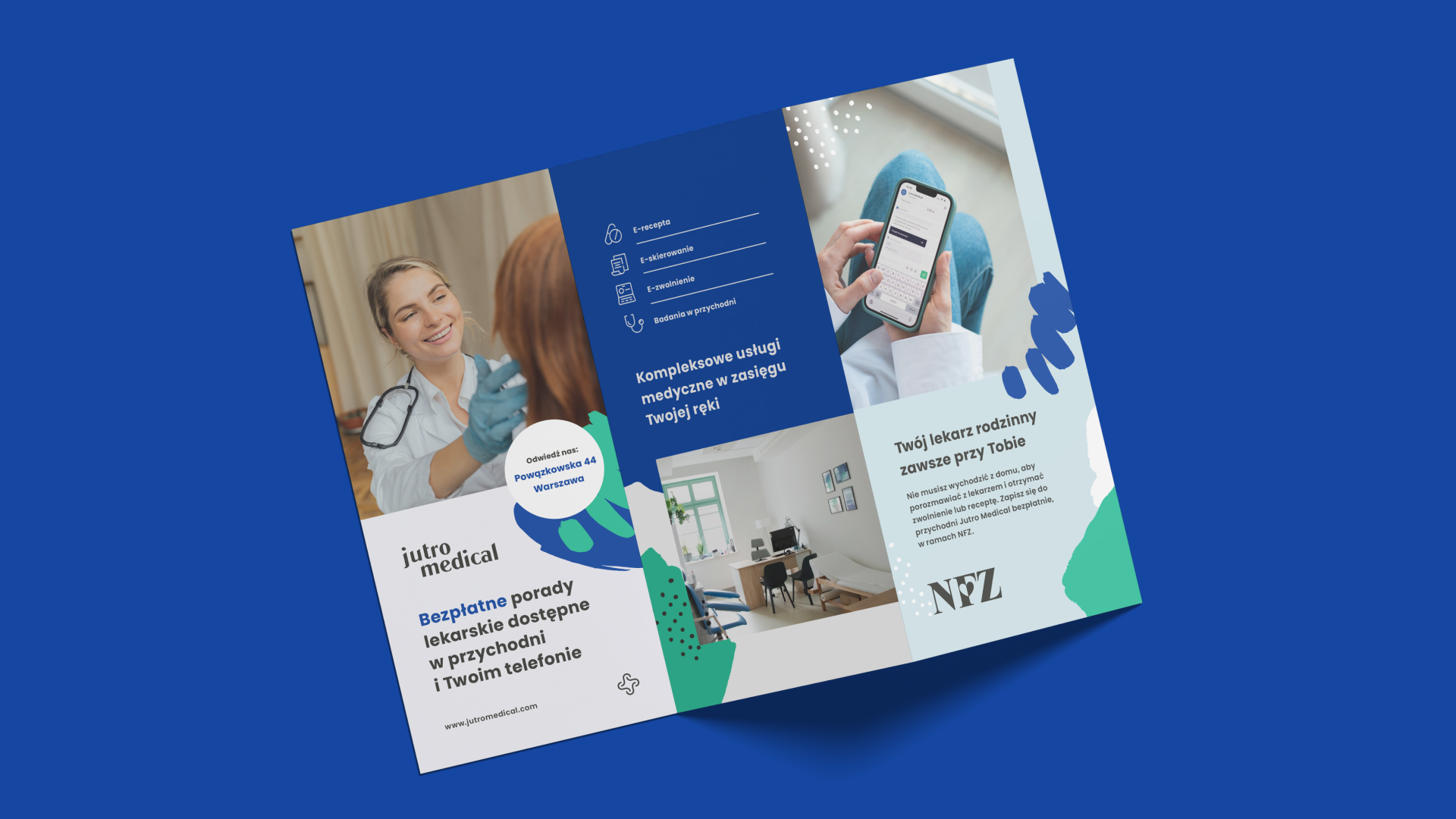
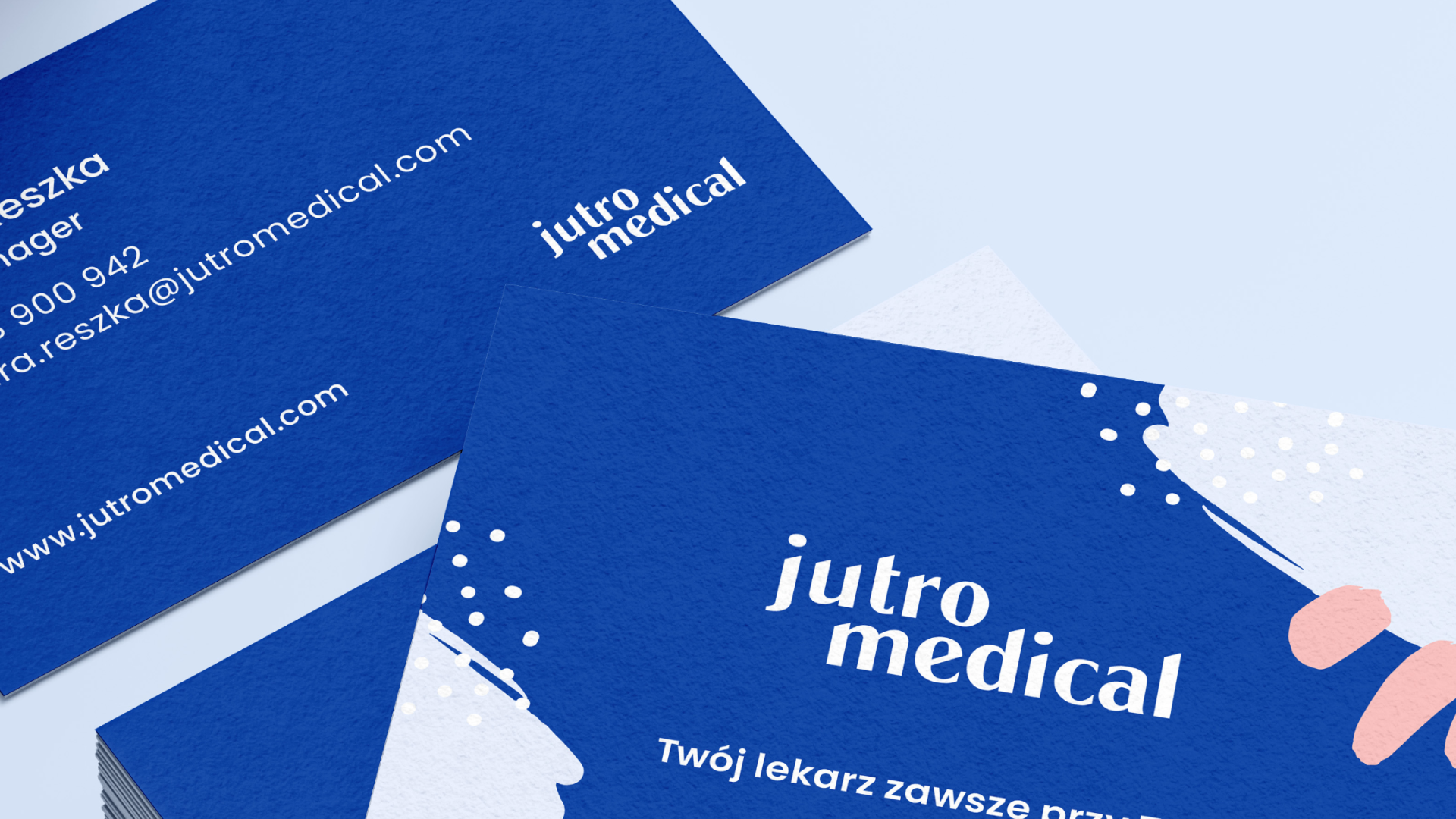
The creation of Jutro Medical's branding involved a fusion of empathy and innovation, weaving a narrative that not only resonated with the ethos of healthcare but also stood out in a competitive landscape. The centerpiece of this endeavor was the crafting of a distinctive key visual that encapsulates the essence of clinics of the future.
This key visual served to, communicate trust, compassion, and technological prowess. Through a synthesis of design principles and medical insights, the key visual emerged as a powerful symbol, forging a memorable connection with both patients and the broader medical community.
Shaping Jutro Medical's Identity and describing design needs of the brand